
Resource

Why adherence is the real problem in rehabilitation

Written by
Neocore TeamNeocore Health
Reviewed by
Neocore HealthClinical content review

The best protocol fails if nobody does it. Product and clinic design must optimize for showing up, not for hero days.

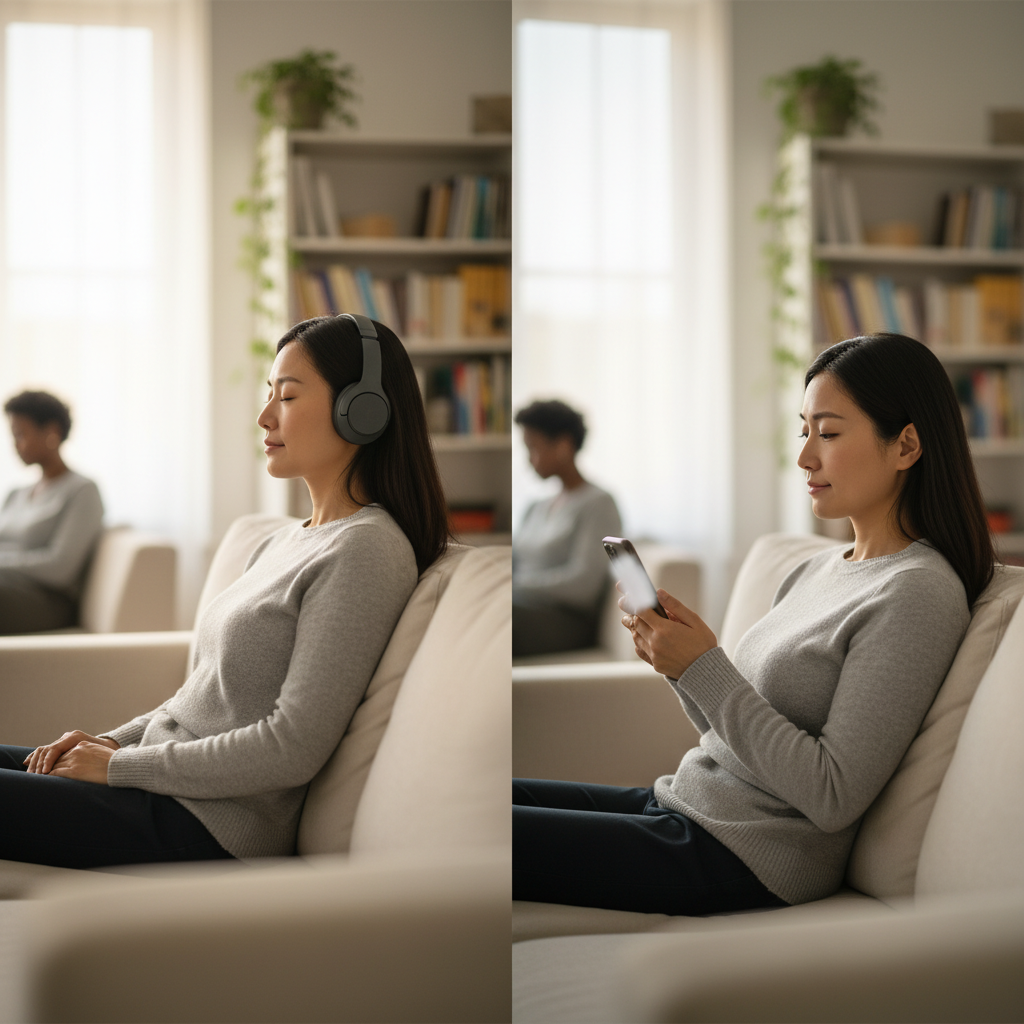
Morning routine, shoes by door, habit and consistency for practice.

Effort, not ideas

Large cognitive-training trials that show durable transfer share boring ingredients: sustained engagement, realistic homework, and endpoints that matter in life, not only on the training screen.1 Auditory training reviews translate the same lesson: dose and task quality beat inspirational branding.2

Clinics that cannot see adherence optimize the wrong levers. Another 20 minutes of counseling cannot substitute for zero minutes of structured practice.2

Pupillometry in hearing-aid users suggests training can reduce listening effort even when word scores barely budge, so adherence changes subjective load, not only audiometric poster metrics.3

Why “willpower” is the wrong frame

When speech is degraded, understanding consumes cognitive resources that would otherwise support memory, navigation of conversation, and emotional regulation.4 Fatigue is predictable. Good programs shorten sessions, reduce friction, and make success visible.4

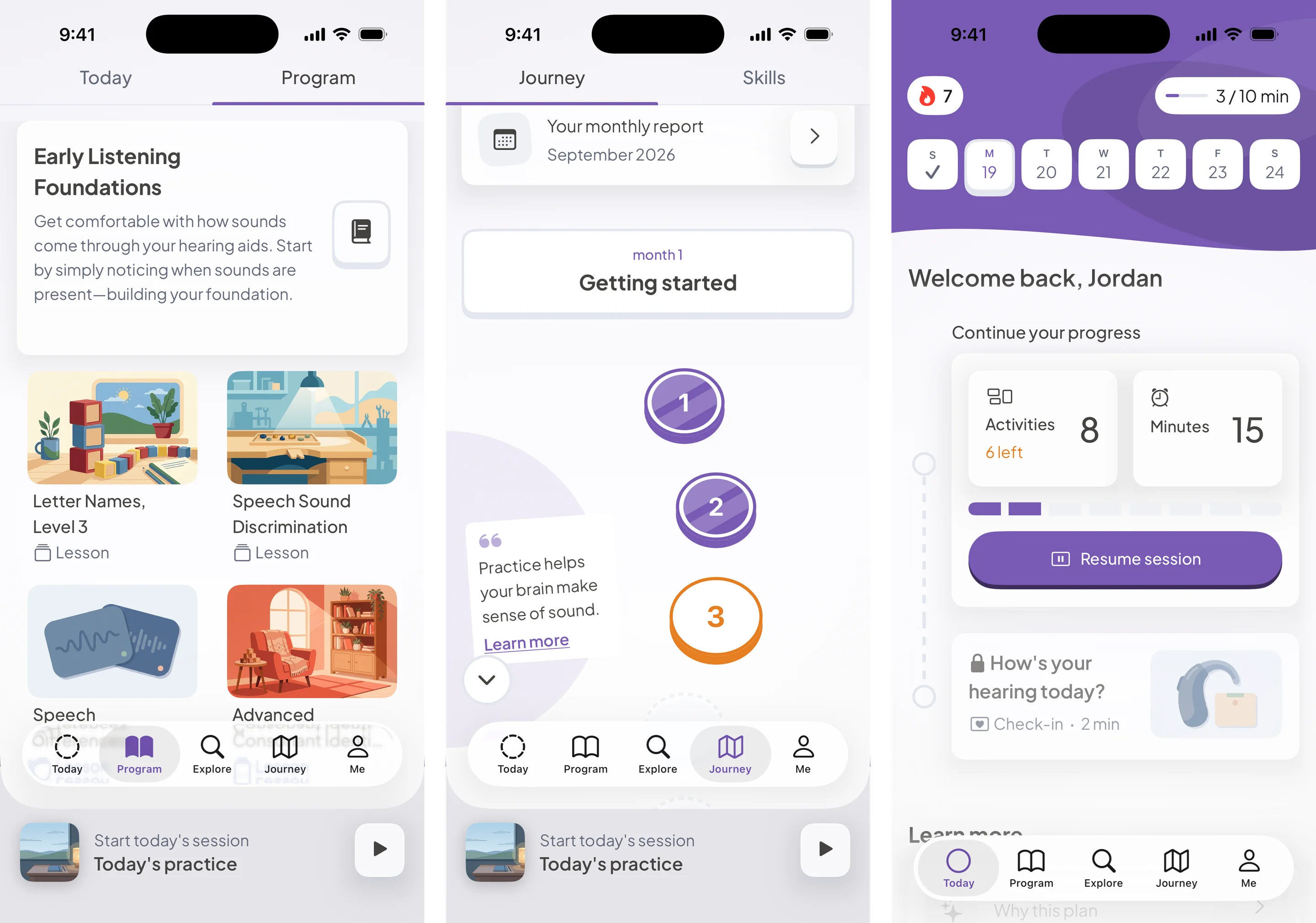
Design beats guilt: mobile access, clear streaks, and tasks that fit a lunch break outperform fantasy lab schedules.2

What to build or buy

If you run a clinic, ask whether your rehab plan is observable. If you cannot tell whether patients practiced, you cannot tune mapping, counseling, or difficulty.2 Neocore Link exists to make that visibility ordinary.2

If you are a patient, bias toward programs that fit your week and show progress, not toward the steepest promise.12


References

  1. Ball, K., Berch, D. B., Helmers, K. F., Jobe, J. B., Leveck, M. D., Marsiske, M., ... & Advanced Cognitive Training for Independent and Vital Elderly Study Group. (2002). Effects of cognitive training interventions with older adults: a randomized controlled trial. *JAMA*, 288(18), 2271-2281.
  2. Ferguson, M. A., & Henshaw, H. (2015). Auditory training: Can we change the hearing brain? *Seminars in Hearing*, 36(4), 237–249.
  3. Koprowska, H., et al. (2025). The effect of auditory training on listening effort in hearing-aid users: insights from a pupillometry study. *International Journal of Audiology*, 64(1), 59-69.
  4. Pichora-Fuller, M. K., Kramer, S. E., Eckert, M. A., Edwards, B., Hornsby, B. W. Y., Humes, L. E., Lemke, U., & Lunner, T. (2016). Hearing impairment and cognitive energy: The framework for understanding effortful listening (FUEL). Ear and Hearing, 37(Suppl 1), 5S–27S. https://doi.org/10.1097/AUD.0000000000000312

Run home training and follow-up from one dashboard

Neocore Link centralizes enrollments, assignments, check-ins, and secure messaging for teams delivering Sonara, Resona, and Lumena.