
Not just “being difficult”
Misophonia is more specific than generic sound sensitivity: particular patterns (often human-generated) elicit intense disgust, rage, or panic at volumes others tolerate. The sound is not “loud” in an audiometric sense; it is unbearable in a motivational-emotional sense.1
That distinction guides therapy. Exposure must target the appraisal and bodily surge, not only decibels.3
Semantic control and selection processes help explain why triggers spread to related contexts and why family dynamics escalate so quickly.2
What clinicians do that works
Evidence is younger than for classic CBT disorders, but clinical consensus emphasizes psychoeducation, individualized trigger hierarchies, counter-conditioning paired with regulation skills, and family accommodations that reduce shame cycles.13
Hearing tools sometimes help when hyperacusis overlaps; they are not a moral requirement for every patient.1
Training reviews suggest cognitive engagement matters for generalization. Misophonia protocols that only “expose” without skills often stall.4
Digital tools and between-session practice
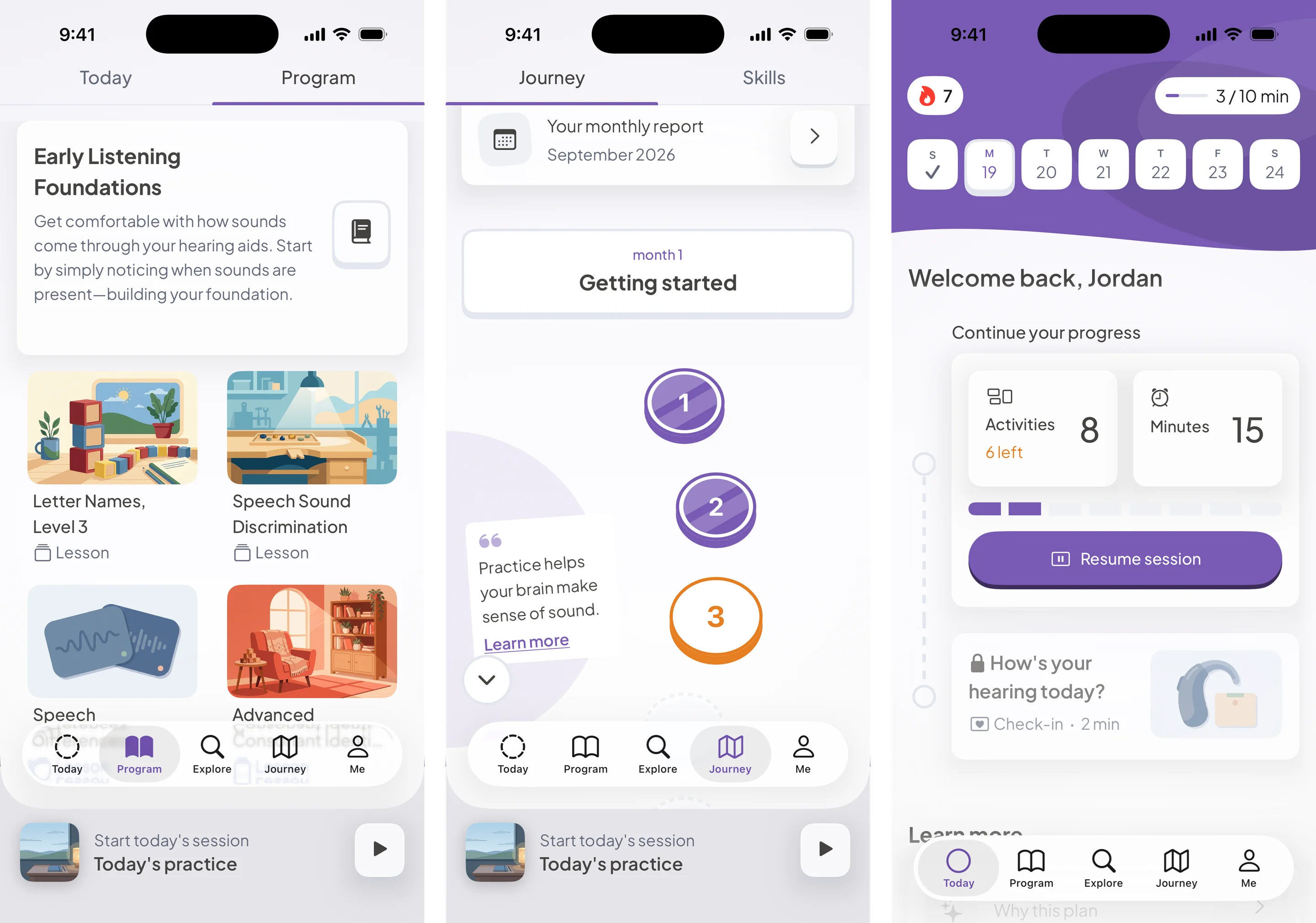
Digital programs can standardize homework if they respect pacing and teach skills, not gimmicks.1 Visibility for clinicians helps catch dropout early.1
Hope without hype
Most people do not need a cure narrative. They need predictability: fewer explosions at dinner, better sleep, and a plan for work travel. Progress is often incremental.3
Resona offers structured content for sound-related distress that clinics can wrap with judgment and accountability.1