
Why aids are not the whole story
Modern hearing aids can do extraordinary signal processing, yet many users still report difficulty in noise, rapid speech, or after long days. Part of that is physics: noise cannot always be separated from speech. But part is skill. Discriminating consonants, tracking talkers, and updating predictions when a sentence twists all benefit from deliberate practice.1
Neuroplasticity research suggests that consistent engagement with amplified speech in meaningful contexts is associated with adaptive changes in auditory processing, not a substitute for a good fit, but a complement to it.2
Training is the deliberate piece: repeated trials with feedback, staged difficulty, and tasks tied to speech and meaning rather than isolated tones.1
What the literature suggests
Reviews of auditory training summarize heterogeneous protocols but converge on a practical theme: when tasks resemble communication and include cognitive demand, listeners are more likely to show transfer beyond the training screen.1
Recent work using pupillometry in hearing-aid users found that structured training can reduce listening effort even when accuracy is stable, hinting that training can change how “expensive” speech feels, not only whether a keyword is correct.3
Speech-in-noise testing remains a core outcome because it tracks the complaint patients actually buy hearing aids to solve.4
Neural timing work ties auditory training to faster encoding along auditory pathways in older adults, one mechanistic story for why “I hear louder but still struggle” can improve with structured practice.5
Fitting, counseling, and expectations
If devices are under-fit, occluded, or used only occasionally, training fights uphill.2 Real-world use statistics matter: the brain learns from the soundscape you actually wear.2
Counseling should set expectations: training is not a second hearing aid, but it can shrink the gap between device capability and real-world skill.13
How to structure home practice
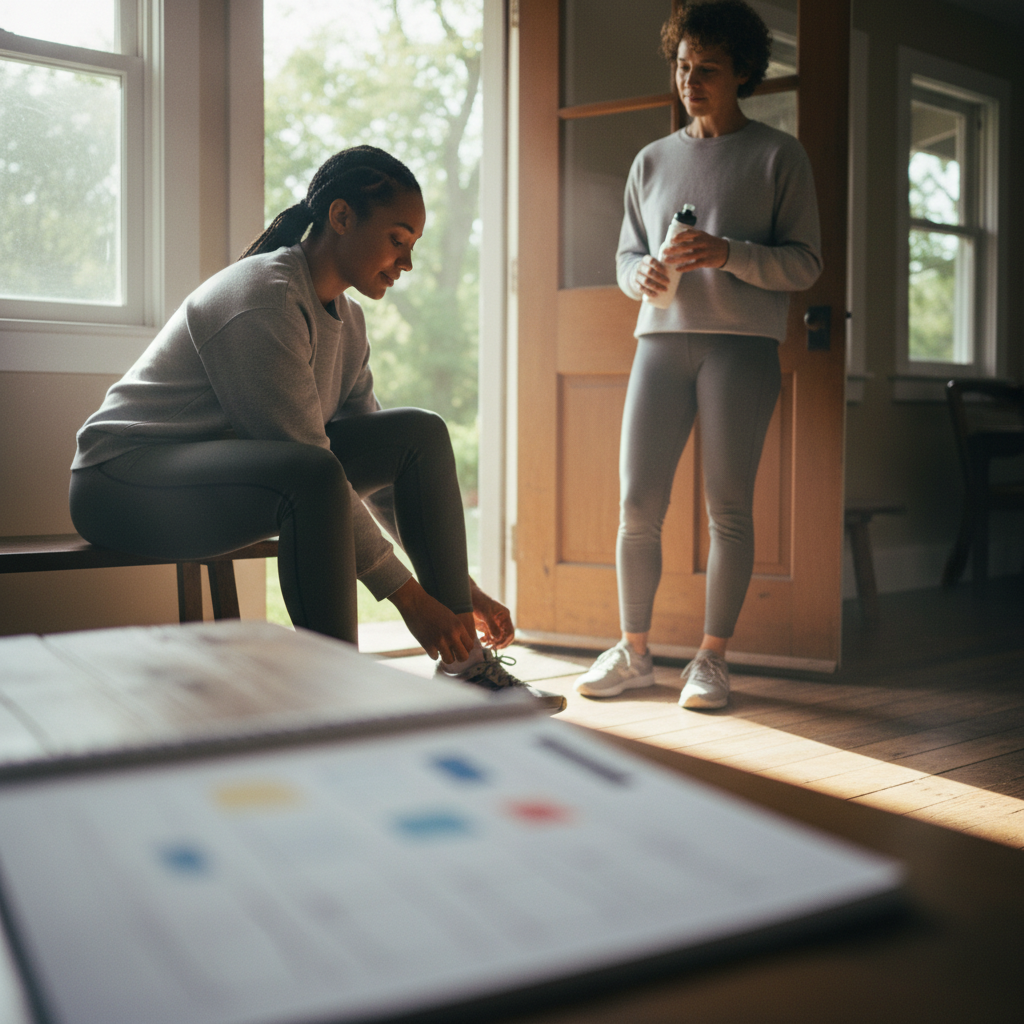
Short, frequent sessions usually beat rare marathons. Aim for tasks you can complete well enough to learn from, not so easy you zone out, not so hard you only guess. Your audiologist can align targets to your prescription and real-world goals.1
Track speech-in-noise comfort, fatigue, and specific environments (restaurants, phone, meetings) so adjustments are data-informed.4
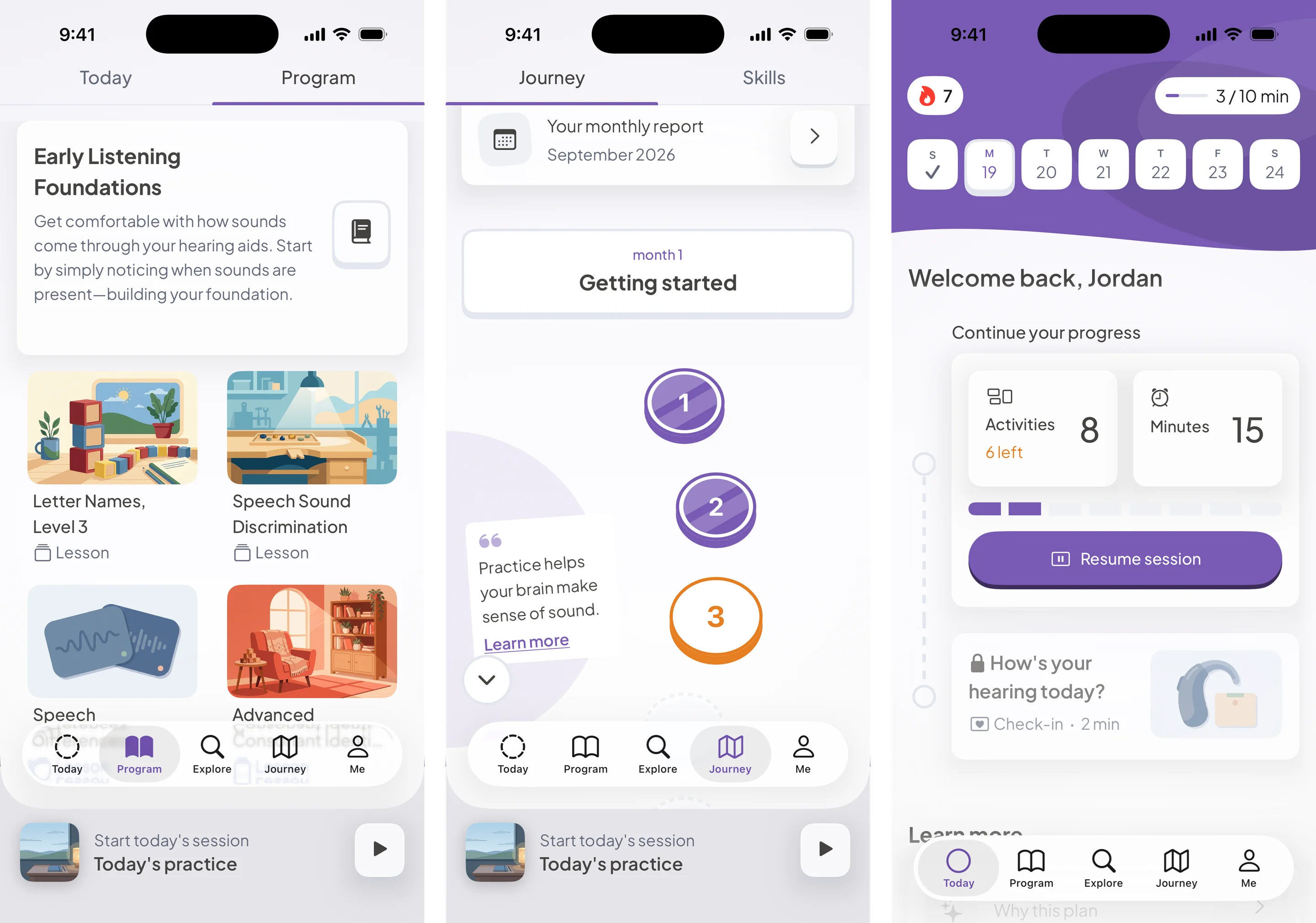
Sonara packages structured variability: guided listening work you can sandwich into a day without turning your living room into a lab.1
Safety and when to pause
If something feels sharply uncomfortable, pause and check device fit, occlusion, or sound tolerance issues before pushing harder.2 Hyperacusis or recent sound trauma may need a different pacing ladder than standard training.1