
The missing protocol
A sound library is not therapy. Neither is a ten-minute breathing track you use once. What randomized trials reward is structure: clear targets, homework, measurement, and duration long enough for the nervous system to update.1 The cognitive-training literature is blunt on this point: effects track adherence, coaching, and protocol fidelity more than charisma.1
Tinnitus distress is not only “how loud it is.” It is appraisal, vigilance, sleep, mood, and what the sound predicts about your future. Apps that only mask without skills leave the appraisal loop largely untouched.2 Listening-effort frameworks make the same point for communication: when attention is taxed, everything downstream gets harder, including coping.2
Auditory training reviews emphasize task architecture and cognitive engagement when asking whether practice generalizes beyond the lab.3 If your tinnitus app never asks you to do anything harder than press play, you are not in the same universe as those designs.3
Why passive sound so often fails
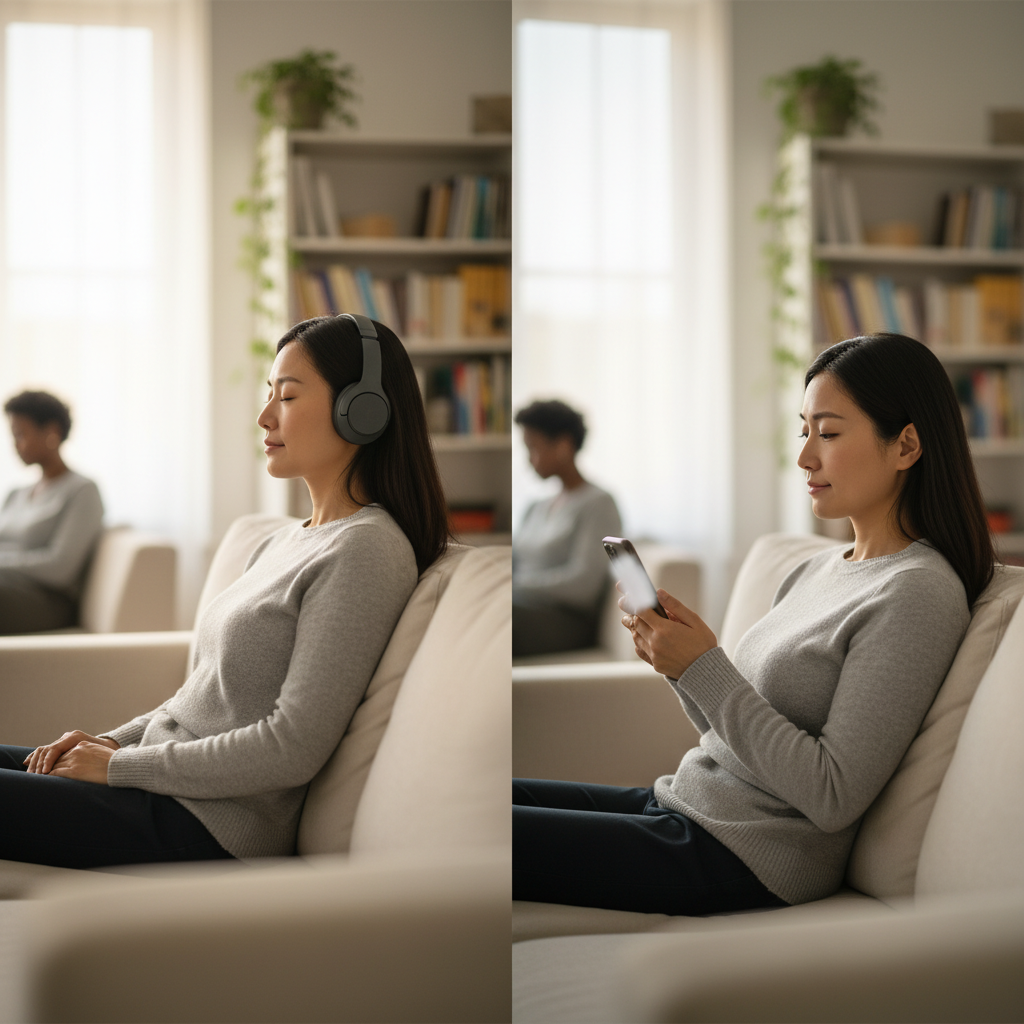
Sound enrichment can be useful clinically when it is part of a plan, especially alongside counseling and when hearing loss is addressed.2 But passive sound alone rarely teaches the skills that change catastrophic thoughts, avoidance, or the urge to monitor the tinnitus every quiet moment.
When hearing loss is present but untreated or under-fit, patients may score “poorly” on memory or attention tasks for sensory reasons, not because psychotherapy is irrelevant.4 A serious product should route people toward audiology when appropriate, not pretend speakers fix thresholds.4
What credible digital care looks like
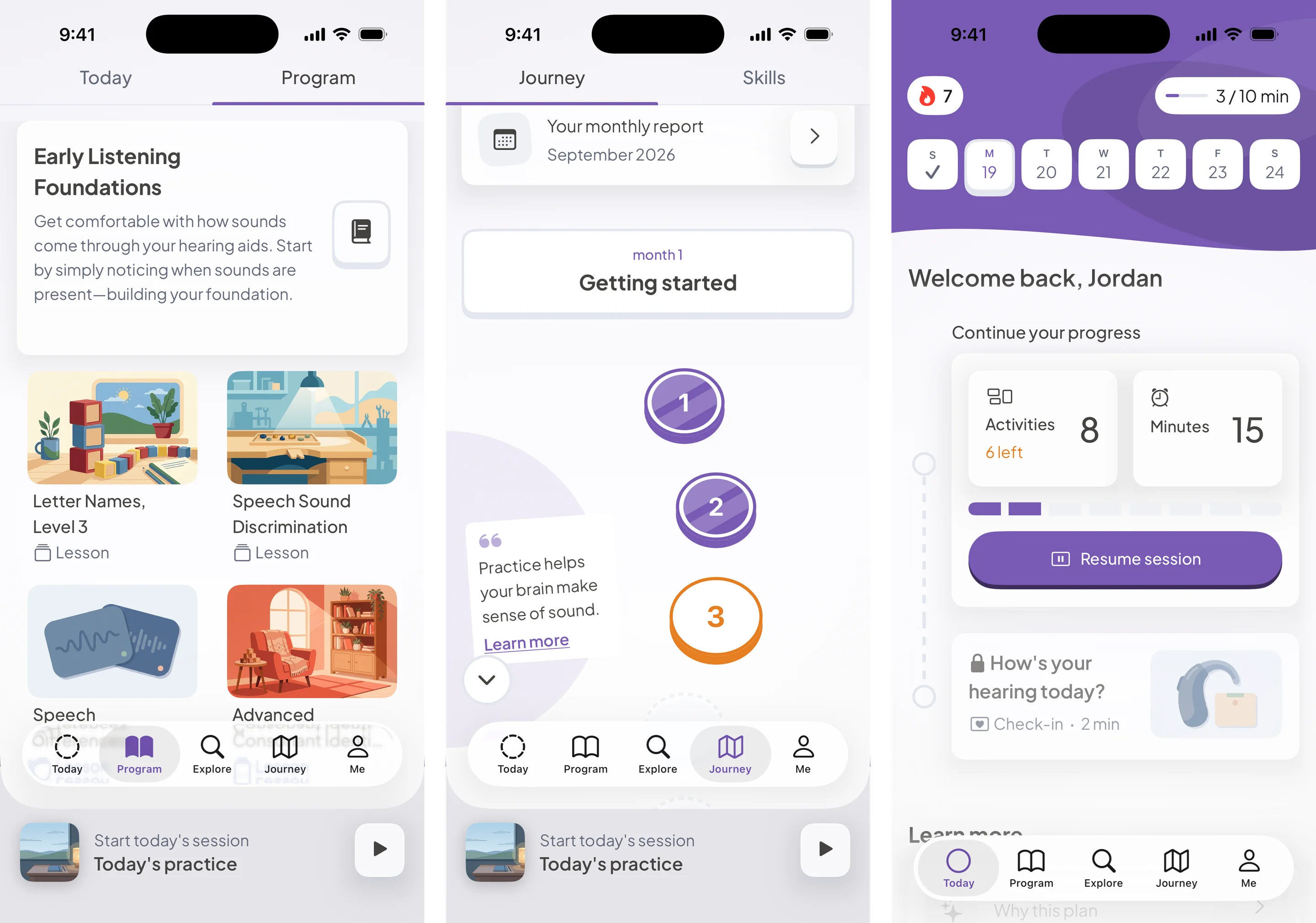
Credible programs publish boundaries: what they are evidence-informed for, what requires a clinician, and what red flags need urgent evaluation. They teach skills with progression, sleep, attention regulation, gradual exposure where indicated, not a single looped ocean track.12
They integrate measurement: simple weekly check-ins beat vibes. And they create continuity with hearing healthcare when loss, hyperacusis, or misophonia overlap tinnitus, which is often.24
How Neocore thinks about it
Resona is built as structured education and practice for sound-related distress, not a miracle mute button. Neocore Link exists because adherence and visibility are clinical variables: teams should see when patients stall before dropout becomes silence.1
If an app promises silence for everyone, it is not being honest with you. If it promises skills, practice, and a clearer path through distress, with room for your audiologist or therapist in the loop, that is a different standard.2